



Da decenni il valore di un'auto è stato misurato da parametri standard come la potenza e l'affidabilità meccanica. Tuttavia, nel 2026, gli standard del settore sono diversi. Oggi, tutto ruota attorno all'esperienza digitale.
Se non hai uno schermo touch moderno nella tua auto attuale, o se sei bloccato con un sistema di fabbrica spesso lento e limitato da costose connessioni cablate, ti stai davvero perdendo l'aggiornamento automobilistico più trasformativo del decennio.
Il panorama automobilistico è cambiato drasticamente. I tablet portatili ad alta definizione per auto hanno completamente sostituito le tradizionali unità di testa integrate. Sono diventati la soluzione preferita per i conducenti che vogliono accedere alle tecnologie più recenti.
Questi schermi moderni hanno fatto molta strada rispetto al semplice duplicare lo schermo del telefono. Sono diventati potenti hub di infotainment autonomi, offrendo connettività incredibile e massima flessibilità.
Questa guida Ottocast ti accompagnerà tra i migliori candidati sul mercato per aiutarti a trovare il miglior schermo CarPlay che soddisfi le tue esigenze specifiche e il tuo budget attuale.
Guida all'Acquisto: I Parametri Tecnologici del 2026

Se stai cercando una nuova interfaccia per il tuo cruscotto, devi comprendere le specifiche tecniche che distinguono le unità premium dai compromessi economici.
Qualità del Display
Nel 2026, il riferimento per la qualità del display non è più 720p. È 1080p e 2K. Questo aumento della densità di pixel è molto importante per la nitidezza dell'immagine. Devi anche sapere che deve essere accompagnato da un'elevata luminosità (almeno 600+ nit) per garantire che lo schermo rimanga completamente visibile anche quando colpito dalla luce solare diretta.
Il parametro Cold Start
Le prestazioni sono misurate anche da un parametro chiamato Cold Start. I conducenti non dovrebbero più dover aspettare minuti per l'avvio del sistema. Al contrario, i migliori schermi moderni sono progettati per connettersi quasi istantaneamente tramite protocolli Wi-Fi a 5GHz.
In questo modo, la tua navigazione e la musica si caricheranno prima ancora che tu metta la retromarcia. Lo standard Wi-Fi ad alta velocità è anche il motivo per cui non ci sono più ritardi audio e scatti nella mappa, problemi che affliggevano i modelli più vecchi con solo Bluetooth.
Architettura Audio
L'architettura dei sistemi audio e di raffreddamento è altrettanto importante. La tecnologia Dual-Bluetooth è ora considerata lo standard. Permette allo schermo di mantenere tutti quei comandi al volante senza interruzioni, offrendo al contempo un suono ad alta fedeltà direttamente agli altoparlanti dell'auto.
Resistenza Termica
Infine, la resistenza termica è un parametro cruciale per il 2026. I display ad alte prestazioni devono sopportare il calore estremo generato quando l’auto è parcheggiata al sole durante le giornate estive senza subire rallentamenti della CPU o interruzioni di connessione.
CONSIGLIO PRO BONUS: Va considerato anche il montaggio fisico dello schermo, con particolare attenzione all’integrità del fissaggio tramite supporti anti-vibrazione per cruscotto che offrono maggiore stabilità rispetto alle tradizionali ventose.
Confronto delle prestazioni degli schermi CarPlay: trovare la soluzione giusta per il 2026

Scegliere il miglior schermo CarPlay per un’auto nel 2026 dipende dalle tue abitudini di guida specifiche. Potresti essere un autista professionista che ha bisogno di un display ultra-wide per il multitasking. Potresti essere un viaggiatore in famiglia che necessita di un tablet AI per lo streaming.
Qualunque sia il caso, ti aiuteremo con alcuni scenari specifici per veicolo.
Per autisti professionisti di rideshare e Uber: il potente ultra-wide da 11,4”
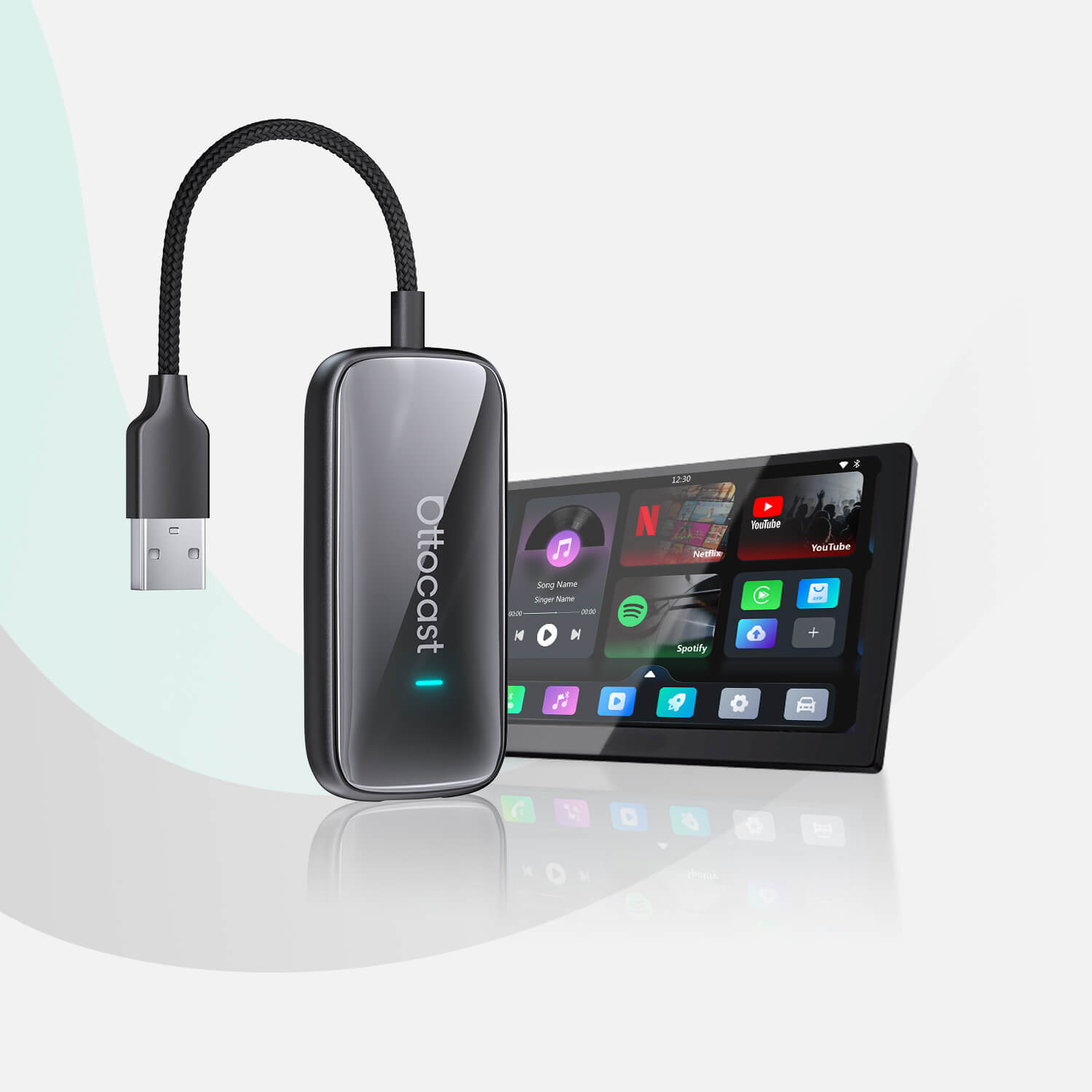
I conducenti professionisti hanno molte cose da gestire. Devono controllare navigazione, app per passeggeri e musica contemporaneamente senza ingombrare il parabrezza. Il miglior display CarPlay portatile per questo scenario è un’unità ultra-wide da 11,4 pollici. Un ottimo esempio è il Ottocast ScreenFlow.
Ha un rapporto d’aspetto più ampio che offre una visualizzazione a schermo diviso. Ottieni dati cartografici ad alta definizione insieme a strumenti di comunicazione. La cosa migliore è il protocollo Wi-Fi 5GHz a latenza zero. Con esso, tutti gli aggiornamenti di navigazione avvengono in tempo reale, essenziale per la guida in città, soprattutto durante le ore di punta.
Per viaggi in famiglia e lunghi spostamenti: il tablet AI autonomo
Se devi fare frequenti viaggi di lavoro a lunga distanza o se la tua famiglia ama fare spesso lunghe avventure in auto, allora uno specchio per telefono standard non basta.
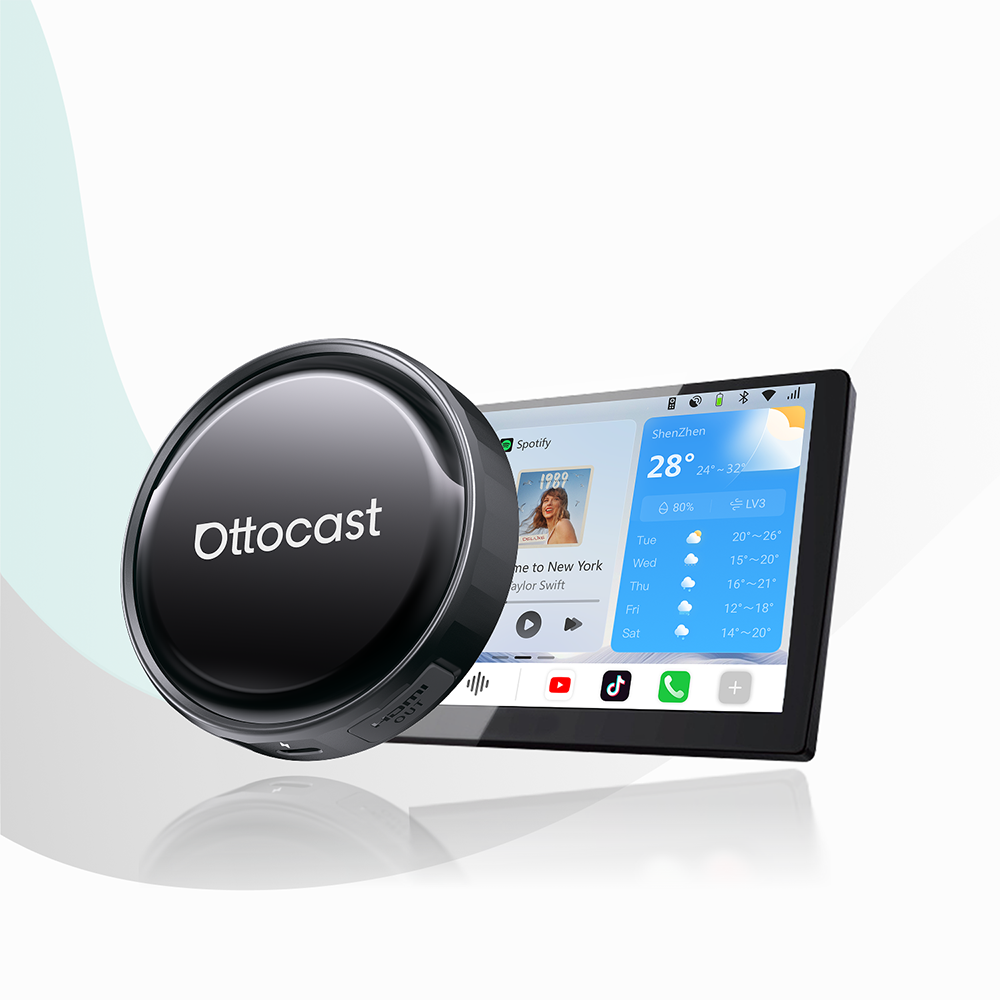
Per te, serve uno schermo Apple CarPlay autonomo con sistema operativo Android integrato, proprio come il Ottoscreen AI. Trasforma la tua auto in un centro di intrattenimento mobile. Questi dispositivi permettono lo streaming nativo con app come Netflix o YouTube mentre il tuo veicolo elettrico è in carica o durante lunghi tratti autostradali.
Per pendolari quotidiani e guidatori attenti alla sicurezza: l’ibrido dash-cam 4K
Se ti trovi spesso in aree ad alto traffico, trarrai il massimo vantaggio da un approccio tutto-in-uno per sicurezza e comodità. Cerca qualcosa che abbia una videocamera frontale 4K integrata con registrazione in loop. Questo elimina la necessità di un sistema dash-cam separato. Ridurrai il disordine sul cruscotto e potrai dire addio alla gestione dei cavi di alimentazione.
Gli schermi CarPlay ibridi offrono al conducente un monitor di alta qualità per la navigazione garantendo contemporaneamente una registrazione digitale di ogni viaggio a fini assicurativi.
Per Interni Compatti e Auto Classiche: Il Display Stealth da 7 Pollici
Se hai un'auto più piccola o d'epoca con spazio limitato sul cruscotto, un grande monitor da 10 pollici può diventare un pericolo per la sicurezza. Può ostruire il campo visivo del conducente.
Uno schermo CarPlay per ambienti di auto piccole, come un display da 7 pollici, offre una soluzione equilibrata. Queste unità più piccole privilegiano la stabilità del montaggio e l'estetica pulita dell'abitacolo offrendo comunque i 600+ nit di luminosità necessari per la visibilità alla luce diretta del sole.
Analisi Competitiva Approfondita: Ottocast vs. La Concorrenza
La scelta tra uno schermo CarPlay premium e un'alternativa economica si riduce alla stabilità a lungo termine e al supporto software.
Le unità economiche offrono costi di ingresso bassi, ma i marchi premium danno priorità alla gestione termica e agli aggiornamenti OTA (Over-the-Air). Questi aggiornamenti sono essenziali se vuoi che tutto rimanga compatibile con i moderni sistemi operativi mobili (come iOS 26.4).
Ecosistema Software e Fluidità dell'Interfaccia Utente
Puoi trovare marchi economici su Amazon, e potresti volerli provare, ma devi sapere che spesso hanno interfacce generiche basate su Linux che semplicemente non hanno la potenza di elaborazione necessaria per gestire flussi video 2K ad alta risoluzione senza balbettii. Semplicemente non funzionerà.
Dall'altra parte della medaglia, le interfacce personalizzate premium, come quelle presenti nella linea Ottocast, sono completamente ottimizzate per il tuo hardware specifico. Di conseguenza, ottieni un'esperienza utente più pulita e praticamente reattiva come uno smartphone di fascia alta.
Resilienza Termica: Il Fattore Cottura del Cruscotto
Ne abbiamo già parlato nella guida all'acquisto, ma approfondiamo con un confronto chiaro e diretto.
Gli schermi economici semplicemente non hanno i molto importanti dissipatori interni o sistemi di ventilazione adeguati. Quindi, quando l'auto si riscalda al sole, si verifica il cosiddetto "CPU throttling", che porta a un'esperienza rallentata e frequenti interruzioni di connessione.
Le unità premium dispongono effettivamente di una gestione termica avanzata per garantire prestazioni costanti anche durante le temperature estive estreme.
Il Divario di Supporto e la Durata dell'Hardware
Parliamo della "Trappola dello Schermo Economico". Si riferisce a unità usa e getta da 60$ che non offrono alcuna possibilità di aggiornamenti firmware.
Le esigenze di dati mobili continueranno a crescere, e l'hardware che supporta gli aggiornamenti OTA (Over-the-Air) è l'unico modo per garantire che lo schermo non diventi obsoleto entro un anno.
Quindi, si potrebbe sostenere che, anche se potresti spendere un po' di più con unità premium, in realtà risparmierai denaro a lungo termine, perché non dovrai comprare un'altra unità economica usa e getta quando quella vecchia diventerà obsoleta.
Pensalo come un investimento per la tranquillità futura.
Fedeltà audio: architettura Dual-Bluetooth
Hai mai notato come, quando ascolti una canzone fortemente compressa, non suoni mai bene come te la ricordavi? Beh, c'è una ragione. I modelli di fascia bassa trasferiscono il suono agli altoparlanti usando una trasmissione FM. Questa tecnologia è obsoleta (molto) ed è molto soggetta a interferenze, che di conseguenza danno una bassa qualità audio.
Gli schermi CarPlay premium sono al passo con gli standard del settore. Per questo si affidano alla tecnologia Dual-Bluetooth. In questo modo, lo schermo gestisce l'interfaccia e invii l'audio ad alta fedeltà dal telefono direttamente agli altoparlanti di fabbrica dell'auto, offrendoti un'esperienza d'ascolto molto migliore (e preservando i comandi al volante, che è un grande vantaggio).
Audio e installazione: ottenere l'aspetto OEM
Tutto ciò che resta è assicurarsi che il nuovo schermo si integri perfettamente con l'ecosistema esistente della tua auto. Per l'installazione, l'obiettivo è evitare quell'aspetto disordinato tipico degli accessori aftermarket.
I display di fascia alta ora offrono sistemi di montaggio modulari, permettendoti di scegliere tra un supporto a ventosa sicuro, una base adesiva o una staffa anti-vibrazione specializzata che si posiziona più in basso sul cruscotto per un aspetto integrato di fabbrica.
Usando alcune semplici clip per cavi per far passare il filo di alimentazione attraverso le fessure del cruscotto, puoi ottenere una finitura bella e professionale che sembra uscita dalla concessionaria.
Conclusione: Elevare la guida
Quindi, se possiamo trarre una conclusione, è che uno schermo CarPlay premium è un aggiornamento indispensabile per sicurezza e stile di vita nel 2026. Questo dispositivo mette navigazione, comunicazione e intrattenimento tutto in un unico posto, in un hub reattivo ad alta definizione. Non dovrai mai più toccare il telefono mentre guidi.
Per l'investimento più equilibrato in longevità e prestazioni, scegli Ottocast.
Puoi anche leggere il nostro blog sul schermo portatile Android Auto, oppure consultare la nostra Collezione Accessori.
Potrebbe piacerti anche